



In today’s evolving energy landscape, technical expertise alone is no longer enough. Organisations are seeking professionals who can bridge operational excellence with environmental responsibility, regulatory compliance, and long-term sustainability.
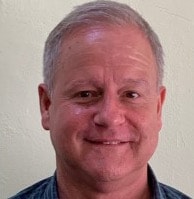
We are pleased to introduce Eric Villepreux, our new expert partner at rp-squared. With more than 30 years of international experience spanning Oil & Gas, Geothermal, and Storage projects, Eric brings a unique blend of technical knowledge and strategic insight. His expertise covers drilling fluids, cementing, waste management, ESG integration, and regulatory compliance, helping organisations optimise performance while navigating increasingly complex operational and environmental requirements.
Having worked across Africa, Europe, and Asia in both offshore and onshore environments, Eric has supported challenging drilling campaigns, including HPHT wells and deep high-temperature geothermal projects. His collaborative approach enables operators, authorities, and multidisciplinary teams to align engineering objectives with governance and environmental expectations.
In this interview, Eric shares his perspectives on the current challenges facing the industry and the evolving role of drilling expertise in the global energy transition.
What are the biggest inefficiencies you still see in drilling operations today?
Despite advances in technology and data availability, many drilling operations continue to face inefficiencies that impact both cost and performance. Fragmented decision-making, inconsistent planning, and a lack of integration between technical disciplines often lead to avoidable delays and increased operational risk.
In this discussion, Eric highlights where organisations can uncover hidden opportunities for improvement and how a more coordinated approach can enhance overall drilling efficiency.
What environmental or governance-related costs do companies often overlook?
Environmental and governance considerations are becoming increasingly important in project planning and execution. However, many organisations still underestimate the long-term costs associated with waste management, regulatory compliance, stakeholder engagement, and insufficient ESG integration.
Eric explores the areas where these overlooked factors can significantly affect project outcomes and why proactive planning is essential for both operational resilience and organisational reputation.
How transferable are these principles to emerging sectors such as geothermal energy and other energy transition projects?
As investment grows in geothermal energy and other low-carbon initiatives, the industry has an opportunity to apply decades of drilling experience to new contexts. Many of the principles that drive successful oil and gas projects remain highly relevant, particularly in risk management, operational discipline, and environmental stewardship.
Eric discusses how established drilling practices can support the development of emerging energy sectors and contribute to a more effective energy transition.
What role will drilling experts play in the energy transition?
The transition to a more sustainable energy future will require both innovation and experience. Drilling professionals possess valuable expertise in subsurface operations, project execution, and technical problem-solving that can accelerate the success of new energy projects.
In this final segment, Eric shares his thoughts on how drilling experts can help shape the future of the energy industry and why their contribution remains as important as ever.
As the energy sector continues to evolve, the ability to balance technical excellence with environmental responsibility and regulatory awareness will become increasingly critical. Through experts like Eric Villepreux, organisations can gain the insights needed to navigate complexity, reduce risk, and create lasting value across both traditional and emerging energy projects.